

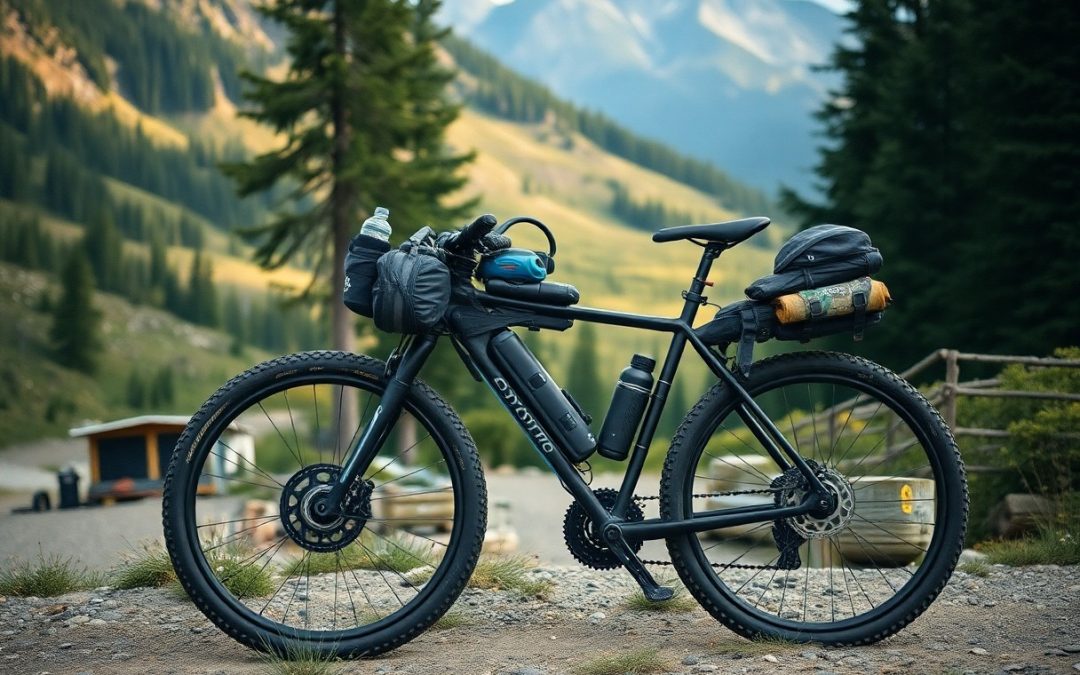
Guide yourself through the vital strategies for ensuring that your multi-day gravel bikepacking trips are as comfortable as possible. By focusing on proper gear selection, effective packing techniques, and effective hydration, you can significantly enhance your riding experience. This guide will equip you with the knowledge needed to tackle long distances while keeping discomfort at bay, allowing you to fully enjoy the beauty of the great outdoors during your adventures.
Key Takeaways:
- Proper planning and preparation are vital for ensuring comfort on long gravel bikepacking trips; this includes route selection, gear, and accommodation arrangements.
- Investing in a comfortable bike setup and suitable clothing can greatly enhance the overall experience and minimise discomfort during the journey.
- Staying hydrated and optimising nutrition throughout the trip is necessary for maintaining energy levels and physical well-being.
The Essential Gear That Transforms Comfort
The right gear can significantly enhance your comfort on multi-day gravel bikepacking trips. Investing in quality equipment tailored to your unique needs is a game changer, providing not just utility, but crucial relief during long rides. Select items designed for your adventure type will keep fatigue at bay and ensure you enjoy every moment spent on your bike.
Choosing the Right Bike and Frame
Opt for a bike frame that matches your terrain and riding style while prioritising comfort. A gravel bike with a relaxed geometry absorbs shocks from rough paths, reducing strain on your back and neck. Features like wider tyres and a lower gear range further enhance comfort, enabling you to tackle various conditions without tiring quickly.
Packing Smart: Essential Items to Maximise Comfort
Packing wisely means considering not just what you need, but how it affects your overall comfort. Always include items that enhance your ride quality, such as a well-fitted saddle, padded shorts, and a reliable sleeping system. Balancing weight with necessity helps you maintain energy and spirit throughout your adventure.
To maximise comfort, prioritise lightweight but necessary gear such as a quality sleeping bag, compact cooking utensils, and multi-functional tools. Invest in a good hydration system and portable water filtration to ensure you stay hydrated without excess weight. Consider packing a lightweight chair for campsite relaxation, and don’t forget personal items that can significantly improve your morale, like a book or journal. Each carefully chosen item contributes to your overall enjoyment, making those long days in the saddle far more enjoyable.
Navigating the Terrain: Skills for an Enjoyable Ride
Understanding the various terrains you’ll encounter is key to ensuring a smooth ride. Whether you face rocky trails, loose gravel, or muddy paths, adapting your approach will determine your comfort and efficiency. Developing a keen sense of observation and adjusting your technique according to the ground conditions will not only enhance your riding experience but also help prevent potential accidents.
Mastering Gravel Techniques
Gravel riding demands specific techniques to tackle the unique challenges posed by uneven surfaces. It’s beneficial to practise shifting your weight, maintaining a balanced centre of gravity, and using subtle steering adjustments. Staying relaxed and allowing your bike to move beneath you can improve your handling significantly, giving you confidence and control over loose gravel and changing conditions.
Adapting Riding Style for Comfort and Efficiency
Optimising your riding style can greatly enhance both comfort and performance. Maintaining a slightly higher cadence helps prevent fatigue, especially on longer stretches, while adjusting your saddle height can minimise discomfort. Try varying your hand positions on the handlebars and taking breaks to stretch out cramped muscles; these small adaptations can contribute to a more enjoyable ride over the long haul.
Additionally, consider shifting your body position depending on the terrain. On descents, lean back slightly to keep your weight off the front wheel, while during climbs, shift forward to maximise grip and power. Paying attention to your breathing can also be beneficial, as a relaxed pace and rhythmic breathing will help maintain your stamina. By fine-tuning these aspects of your riding style, you’ll find that achieving a balance between comfort and efficiency becomes second nature on your multi-day adventures.
Hydration and Nutrition: The Fuel for Long Days
Staying hydrated and properly nourished directly affects your performance and comfort on multi-day gravel bikepacking trips. As you push through your ride, your energy levels depend on maintaining an adequate intake of fluids and energising foods. Balancing your hydration and nutrition allows you to tackle any terrain with confidence and helps prevent fatigue, ensuring you’re ready for the next adventure.
Planning Your Water Supply and Filtration Systems
Calculating your water needs can make or break a trip. Aim for about 2 to 3 litres of water per day, adjusting for weather conditions and your level of exertion. Carry a lightweight filtration system or purification tablets to refill your supply from natural sources along your route. Ensure you know the availability of water sources ahead of time, so you can plan accordingly and avoid running dry.
Energy-Boosting Foods for Sustained Performance
The right snacks can elevate your energy levels considerably. Opt for foods rich in carbohydrates, such as energy bars, dried fruits, and nut mixes. These foods provide the sustained energy release you need to tackle long days on your gravel bike. Additionally, having a mix of protein sources helps with muscle recovery during your trip.
To enhance your performance, focus on snacks that offer a balanced macronutrient profile. Foods like compound bars – which combine carbohydrates, protein, and healthy fats – should be staples in your pack. High-calorie nuts and seeds can replenish lost energy, while electrolyte-rich snacks will help fend off dehydration. For a quick energy boost, consider carrying gels or chews for those moments when you need a rapid replenishment, especially during steep climbs or challenging stretches.
Setting Up Camp Like a Pro
Creating a comfortable campsite can significantly enhance your gravel bikepacking experience. Efficiently setting up your camp not only provides a secure shelter but also allows you to unwind and recharge for the next day’s adventure. From choosing an optimal location to arranging your sleeping space, each step plays a pivotal role in ensuring comfort and safety while you spend the night under the stars.
Choosing the Ideal Campsite for Comfort and Safety
Selecting the right campsite is vital for a restful night. Look for flat, well-drained areas away from water sources to avoid unpleasant dampness. Ideally, position your site according to wind direction to maximise shelter while avoiding low spots that might collect cool air or moisture. Keep a safe distance from wildlife trails, and always have access to potable water—this not only quenches your thirst but helps maintain hygiene.
Best Practices for Tents and Sleeping Arrangements
Your tent and sleeping set-up significantly impact your comfort level during the trip. Choose a lightweight tent that fits your packing style while offering adequate protection from the elements. Set it up with the entrance facing away from prevailing winds to reduce drafts. Use an insulated sleeping mat that provides cushioning and thermal protection from the ground. It’s advisable to wear moisture-wicking, thermal sleepwear and to keep your sleep area free from gear to maintain a peaceful environment.
When selecting the perfect tent, consider the weather conditions specific to the area you’ll be camping in. A three-season tent is often suitable for most bikepacking conditions, while additional footprint protection can go a long way in preserving the tent’s life. Utilise your sleeping bag’s insulation rating wisely; pick one suited to the anticipated temperatures. A good-quality sleep mask or earplugs can help block out disturbances, ensuring you wake up refreshed for another day on the trail.
Avoiding and Managing Discomfort on the Road
Discomfort can be a significant barrier during your multi-day gravel bikepacking trips, but with the right strategies, you can reduce its impact. Regularly adjusting your riding position, taking breaks, and ensuring proper hydration and nutrition are crucial. A well-fitted bike and the right gear can prevent many physical complaints. Moreover, staying aware of how you’re feeling helps you to address any issues before they escalate.
Identifying Common Ailments and Their Solutions
Common ailments on long rides include saddle soreness, numbness in your hands, and knee pain. Proper bike fit is key; consider investing in a professional fitting session to ensure optimal positioning. Using chamois cream can alleviate saddle soreness, while padded gloves can help with hand discomfort. Regular stretches and appropriate footwear can also mitigate knee strain, keeping you comfortable on the road.
Maintaining Mental Comfort in Challenging Conditions
Staying mentally strong is as important as physical endurance when facing uncomfortable conditions. A positive mindset can turn adverse situations into fulfilling experiences. Set achievable goals, create a rhythm with your pedalling, and don’t shy away from reaching out to fellow cyclists for encouragement. A well-planned route with interesting stops can also make your journey more pleasant.
When the terrain becomes tough or weather conditions are unfavourable, incorporating mindfulness techniques can be beneficial. Practising meditation or focusing on your breathing can shift your perspective and reduce stress. Surrounding yourself with nature and engaging with your surroundings creates a deeper connection, reinforcing your sense of adventure. Setting mini-milestones throughout your day not only gives you direction but also the motivation to carry on when the going gets tough. Balancing the physical challenges with mental fortitude leads to a more enjoyable bikepacking experience, even in adversity.
Summing up
To wrap up, ensuring comfort on your multi-day gravel bikepacking trips demands careful planning and attention to detail. By selecting the right equipment, choosing suitable clothing, and preparing your nutrition and hydration strategies, you will enhance your overall experience. Regularly assessing your needs and adjusting accordingly will help you stay comfortable throughout your journey. Ultimately, prioritising your comfort will allow you to fully enjoy the adventure and create lasting memories on your gravel cycling escapades.
FAQ
Q: What necessary gear should I pack for a multi-day gravel bikepacking trip to ensure comfort?
A: Packing the right gear is vital for maintaining comfort over several days. First, ensure you have a well-fitted bike with suitable tyres for gravel paths. Focus on lightweight camping equipment, including a compact tent, a sleeping bag appropriate for the season, and an inflatable sleeping mat for cushioning. Include cooking necessarys, like a portable stove and lightweight cookware, along with sufficient food supplies and hydration options. Investing in comfortable clothing made from moisture-wicking materials will also greatly enhance your overall experience.
Q: How can I manage my physical comfort during long days of riding on a gravel bikepacking trip?
A: Managing physical comfort involves both preparation and on-the-road strategies. Prior to your trip, condition your body by gradually increasing ride distances and incorporating strength training to build endurance. During your rides, take regular breaks to stretch and relieve tension. Be mindful of your riding position to prevent strain; adjust your handlebars and saddle as necessary for optimal comfort. Carrying suitable nutrition will also help keep your energy levels consistent throughout the day.
Q: What should I do if I encounter adverse weather conditions during my bikepacking trip?
A: Adverse weather can pose significant challenges, so it’s wise to prepare for unexpected changes. Carry waterproof gear, including a rain jacket and waterproof bags for your belongings. Before setting off, check the weather forecast regularly and plan your route accordingly, considering alternative shelters or routes if necessary. Should you find yourself caught in inclement weather, prioritise safety by seeking cover or slowing your riding pace. Keep your energy levels up with snacks and hydrate frequently to maintain performance even in less-than-ideal conditions.